
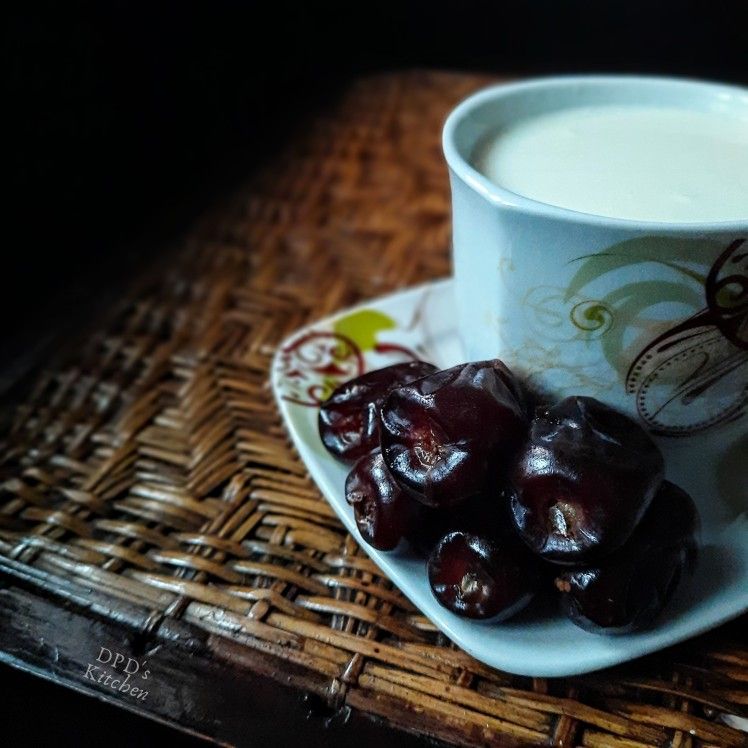
Do Not Fill Your Stomach
عَنْ مِقْدَامِ بْنِ مَعْدِي كَرِبَ، قَالَ: سَمِعْتُ رَسُولَ اللهِ صلى الله عليه وسلم يَقُولُ: «مَا مَلَأَ آدَمِيٌّ وِعَاءً شَرًّا مِنْ بَطْنٍ،» بِحَسْبِ ابْنِ آدَمَ أُكُلَاتٌ يُقِمْنَ صُلْبَهُ، فَإِنْ كَانَ لَا مَحَالَةَ فَثُلُثٌ لِطَعَامِه وَثُلُثٌ لِشَرَابِه وَثُلُثٌ لِنَفَسِهِ . سنن الترمذي: (4/ 188)
This is an excellent and reflective ḥadīth that touches on Islamic ethics, personal discipline, and holistic health. Below is a comprehensive explanation of the ḥadīth from Sunanut-Tirmithī (4:188).
1.Translation:
Miqdām ibn Ma‘dī Karib (Radhiyallahu anhu) reported: I heard the Messenger of Allah (ﷺ) say:
“No human being has ever filled a vessel worse than his stomach. The son of Adam needs no more than a few morsels to keep his back straight. But if he must (fill it), then let one-third be for food, one-third for drink, and one-third for air.”
- Shar‘ī (Legislative) Reasons for the Teaching
a) Preservation of Dignity and Moderation
Islam prohibits wastefulness (isrāf) and excess (ifrāṭ). Overeating leads to laziness in worship, dullness of the heart, and forgetfulness of Allah Ta’ala. Nabi (ﷺ) linked physical fullness with spiritual emptiness.
b) Prevention of Sinful Behaviours
Excess food can lead to:
- Lust and desire (shahwah) – which may drive one towards ḥarām.
- Arrogance and hardness of heart – as the well-fed sometimes forget the hungry.
- Neglect of night prayers – due to heaviness and sleep.
c) Following the Sunnah in Daily Habits
Rasulullah (ﷺ) and his family often went hungry for days. ‘Ā’ishah (Radhiyallahu anha) said: “From the time of his arrival in Madīnah until his death, the family of Muḥammad never ate their fill of wheat bread three nights in a row.” (Bukhārī, Muslim)
d) Compassion for the Poor and Hungry
Moderate eating, leaves surplus to give in charity. The one who fills his stomach while his neighbour goes hungry is not a true believer (as per the ḥadīth in Al-Adabul-Mufrad).
e) Accountability on the Day of Judgment
Every blessing (ni‘mah) will be asked about: “Then you will surely be asked that Day about pleasure [i.e., blessings]” (Qur’ān 102:8). Overindulgence in food and drink will be part of that reckoning.
- Physical Health Benefits (Modern Medical Perspective)
The ḥadīth’s division into thirds closely matches modern nutritional science:
| Ḥadīth Division | Modern Equivalent Benefit |
| ⅓ food | Provides energy, nutrients, but prevents caloric overload. Reduces obesity, diabetes, fatty liver, heart disease. |
| ⅓ drink | Maintains hydration without diluting digestive enzymes. Prevents bloating and electrolyte imbalance. |
| ⅓ air | Allows space for gastric motility, prevents reflux, improves breathing and oxygenation. |
Specific proven benefits:
- Weight control – Caloric restriction increases lifespan (proven in animal and human studies).
- Improved digestion – The stomach needs space to churn food. Overfilling causes GERD, hiatal hernia, and indigestion.
- Better sleep – Light eating prevents nighttime acid reflux and restless sleep.
- Enhanced cognition – Overeating reduces blood flow to the brain (postprandial somnolence).
- Reduced inflammation – Chronic overeating increases oxidative stress and inflammatory markers.
- Lower cancer risk – Obesity is linked to colorectal, breast, and pancreatic cancers.
A 2019 study in The Lancet showed that eating only 70–80% of satiety reduces all-cause mortality by 10–15%.
- Statements of Acclaimed Muslim Physicians (Atibbā’)
a) Al-Ḥārith ibn Kaladah (d. 13 BH – c. 13 AH), pre-Islamic and early Islamic physician, consulted by the Prophet (ﷺ) and ‘Umar (Radhiyallahu anhu):
“The stomach is the house of disease, and abstinence is the head of every remedy.”
(Ath-Thahabī, At-Ṭibbun-Nabawī)
b) Abū Bakr Ar-Rāzī (854–925 CE), author of Al-Ḥāwī:
“When you overeat, you extinguish the light of intelligence and invite illness. The wise eat to live, not live to eat.” (Manāfi‘ul-Aghthiyah)
He advised that the stomach should be filled no more than two-thirds at any meal.
c) Ibn Sīnā (Avicenna) (980–1037 CE), in Al-Qānūn fīt-Ṭibb(The Canon of Medicine):
“The best regimen is to eat only once or twice a day, never to fullness, and to leave room for digestion. The signs of overeating are: heaviness, laziness, belching, and disturbed sleep.”
He explicitly praised the Prophet’s teaching on thirds, saying: “This is not only spiritual guidance but the foundation of preventive medicine.”
d) Ibnun-Nafīs (1213–1288 CE), discoverer of pulmonary circulation:
“Excess food corrupts the humors, thickens the blood, and obstructs the vessels. The prophetic division is a precise medical formula for longevity.” (Sharḥ Taqrībil-Qānūn)
e) Ibnul-Qayyim Al-Jawziyyah (1292–1350 CE), in At-Ṭibbun-Nabawī:
“The Prophet (ﷺ) combined in these few words what the most skilled physicians have agreed upon: that the root of all illness is indigestion and excess. Leaving one-third for air is to allow the stomach to expand naturally and the heart and lungs to function without pressure.”
He further notes: “Overeating hardens the heart, dulls the mind, increases sexual desire, and leads to many chronic diseases. Eating less sharpens the intellect, softens the heart, and lightens the body for worship.”
f) Al-Zahrāwī (Albucasis) (936–1013 CE):
“The worst enemy of health is a full stomach. If you wish to avoid colic, gout, and lethargy, stop eating while still slightly hungry.” (At-Taṣrīf)
- Practical Application of “One-Third Rule”
- Not a rigid mathematical fraction but a guideline: eat less than hunger demands, drink less than thirst demands, leave space.
- Empty stomach (when not eating) is not required – just not full.
- For modern meals: If a plate normally holds 3 cups of food, eat 1 cup, drink 1 cup of water, leave 1 cup empty.
Many scholars (e.g., Ibn Ḥajar) explain that the “one-third for breath” is metaphorical for empty space to allow digestion and breathing.
- Spiritual and Ethical Takeaways
- Eating lightly strengthens taqwā (Allah-consciousness).
- It trains ṣabr (patience) and shukr (gratitude).
- It prevents ghaflah (heedlessness) during Ibaadah.
- It is a form of jihādun-nafs (struggle against the ego).
Rasulullah (ﷺ) said elsewhere: “The believer eats in one intestine, while the disbeliever eats in seven.” (Bukhārī, Muslim) – meaning the believer eats moderately, the unbeliever greedily.
- Conclusion
This ḥadīth is a masterpiece of prophetic guidance, integrating divine wisdom, human physiology, and practical ethics. The earliest Muslim physicians recognized it as the foundation of preventive medicine. Modern science confirms that caloric restriction with nutritional adequacy extends lifespan, prevents chronic disease, and improves mental clarity. Spiritually, it disciplines the soul and elevates worship.
May Allah Ta’ala grant us the ability to follow the Sunnah in our eating habits.
(Munsha’ib)