Beware of What is Doubtful!
وَعَنِ النُّعْمَانِ بْنِ بَشِيرٍ قَالَ: قَالَ رَسُولُ اللهِ صلَّى اللهُ عَلَيْهِ وَسَلَّمَ: الْحَلَالُ بَيِّنٌ وَالْحَرَامُ بَيِّنٌ وَبَيْنَهُمَا مُشْتَبِهَاتٌ لَا يَعْلَمُهُنَّ كَثِيرٌ مِّنَ النَّاسِ فَمَنِ اتَّقَى الشُّبُهاتِ اسْتَبْرَأَ لِدِينِه وَعِرْضِه ومَنْ وَّقَعَ فِي الشُّبُهَاتِ وَقَعَ فِي الْحَرَامِ كَالرَّاعِي يَرْعٰى حَوْلَ الْحِمٰى يُوشِكُ أَنْ يَرْتَعَ فِيهِ أَلَا وَإِنَّ لِكُلِّ مَلِكٍ حِمًى أَلَا وَإِنَّ حِمَى اللهِ مَحَارِمُه أَلَا وَإِنَّ فِي الْجَسَدِ مُضْغَةً إِذَا صَلَحَتْ صَلَحَ الْجَسَدُ كُلُّه وَإِذَا فَسَدَتْ فَسَدَ الْجَسَدُ كُلُّه أَلَا وَهِيَ الْقَلْبُ
مشكاة المصابيح (2/ 843) مُتَّفق عَلَيْهِ
This is a topic of immense importance for the modern Muslim consumer. The Hadeeth referenced provides a timeless framework for navigating a marketplace that is increasingly complex and opaque. Based on the principles of the Hadeeth and the realities of the global food industry, the following concerns are submitted to the Muslim Ummah.
The Clear and the Unclear: Navigating Modern Food, Drink, and Products in the Light of Rasulullah’s (Sallallahu alaihi wasallam) Guidance
In a world saturated with choices, the modern Muslim consumer faces a unique challenge. The global market offers an endless array of food, drinks, and personal care products, each with complex supply chains and a long list of unpronounceable ingredients. For the believer seeking to live a life of piety and obedience, this landscape can be a minefield. How do we know what is permissible for us?
Thankfully, we have been given a compass more than 1,400 years ago. The blessed companion (Sahaabi) An-Nu‘maan ibn Basheer (May Allah be pleased with him) narrated that he heard the Messenger of Allah (Sallallahu alaihi wasallam) say:
“Halaal is clear. Haraam is clear. Between these two there are many things which are doubtful. Most people are oblivious of these. So, whoever abstains from the doubtful things has protected his Deen and his honour. And whoever indulges in the doubtful things falls into haraam, like a shepherd who grazes his flock around a private pasture—he is bound to enter it. Indeed, every king has a private pasture, and indeed, the private pasture of Allah is His prohibitions. Indeed, in the body there is a piece of flesh; if it is sound, the whole body is sound, and if it is corrupt, the whole body is corrupt. Indeed, it is the heart.” (Reported by Bukhaari and Muslim)
This profound Hadeeth is not just a piece of spiritual advice; it is a complete operational manual for the believer living in any age. To apply it today, we must understand it in the context of our time, specifically regarding the mushtabihaat (doubtful matters) found in our food, drinks, and products.
The Anatomy of Doubt: More Than Just a Logo
Rasulullah (Sallallahu alaihi wasallam) begins by stating that the boundaries are clear. Pork, alcohol, carrion—these are unequivocally haraam. Natural water, raw milk, pesticide-free fruit—these are unequivocally halaal. The problem lies in the vast, grey ocean between them: the mushtabihaat.
Today, these doubtful matters are not always obvious. They are hidden in plain sight, buried deep within ingredient lists. They are:
- Emulsifiers and Stabilisers: Ingredients like mono-and diglycerides (E471) or glycerol (E422) can be derived from plant oils, or they can be derived from animal fats. If the animal was not slaughtered according to Islamic rites, the ingredient becomes haraam.
- Enzymes and Rennet: Used in cheeses, baked goods, and processed foods, these can be derived from microbial sources or from the stomachs of animals.
- Natural Flavours: A seemingly innocent term on a label. “Natural” simply means it originated in nature, but that origin could be a beaver’s castor sac (castoreum, used in raspberry and vanilla flavours) or a pig.
- Food Colours: The pigments themselves might be plant-based, but they are often suspended in carriers or solvents (like alcohol) or mixed with emulsifiers that are questionable.
This is where the Hadeeth’s warning comes alive. We are often oblivious to these details, trusting that the product is safe simply because it has a ‘halal’ logo.
The Crisis of Trust: Why Logos and Certifiers Are Not Enough
In response to the need for clarity, a massive “halal certification” industry has emerged. However, this industry itself has become a source of mushtabihaat.
- Never trust any so-called “halal” certifying body, no matter what grandiose claim it makes.
The barrier to entry for becoming a ‘halal’ certifier is often alarmingly low. In many parts of the world, the industry is unregulated, leading to a “freewheeling industry plagued by allegations of mismanagement, dishonesty and corruption”. Some certifiers compete with each other, undercutting prices and standards to win business from large manufacturers. The certification can become a transaction, a “logo of convenience” purchased by a company, rather than a genuine guarantee of piety. A grandiose claim on a website or a fancy certificate on a wall proves nothing about the integrity of the certification process itself. - Never trust any “halal” logo appearing on any product until you have personally investigated or you are reasonably sure that the product is halaal.
This follows directly from the first point. The logo is just ink on a package. It does not absolve the individual of the individual’s responsibility. Nabi (Sallallahu alaihi wasallam) informed us that most people are unaware of the doubtful matters, and a logo can create a false sense of awareness. It is a tool that can easily be forged or misapplied. A product might carry a logo from a reputable body, but that certification might only apply to a specific production line or a specific ingredient, while another component of the same product is sourced from a non-certified supplier. The logo is the beginning of an inquiry, not the end of it.
- Manufacturers are constantly changing their ingredients and altering the substances in their products. A product which you were sure of being halaal yesterday becomes haraam today because of the change in ingredients. Therefore, always be vigilant.
This is a critical point of fiqh (understanding) applied to modern commerce. The global supply chain is dynamic. Companies change suppliers to cut costs. A biscuit that was safe for years might have its palm oil, whey powder, or flavouring agent switched to a cheaper, potentially haraam, alternative without any change to the packaging or marketing. Your “certainty” from yesterday is not valid for today. The vigilance the Hadeeth calls for is not a one-time check; it is a continuous state of awareness.
The Path of Safety: A Return to Purity and Personal Responsibility
The Hadeeth offers a solution that is both spiritually uplifting and practically sound. By abstaining from the doubtful, we protect our Deen (religion) and our ‘irdh (honour). We keep our hearts, that “piece of flesh,” sound and unblemished. How do we practically achieve this in a world of processed foods?
- Return to natural wholesome products instead of products laced with unnatural ingredients, chemicals, and the myriads of unpronounceable and incomprehensible potions added to the product.
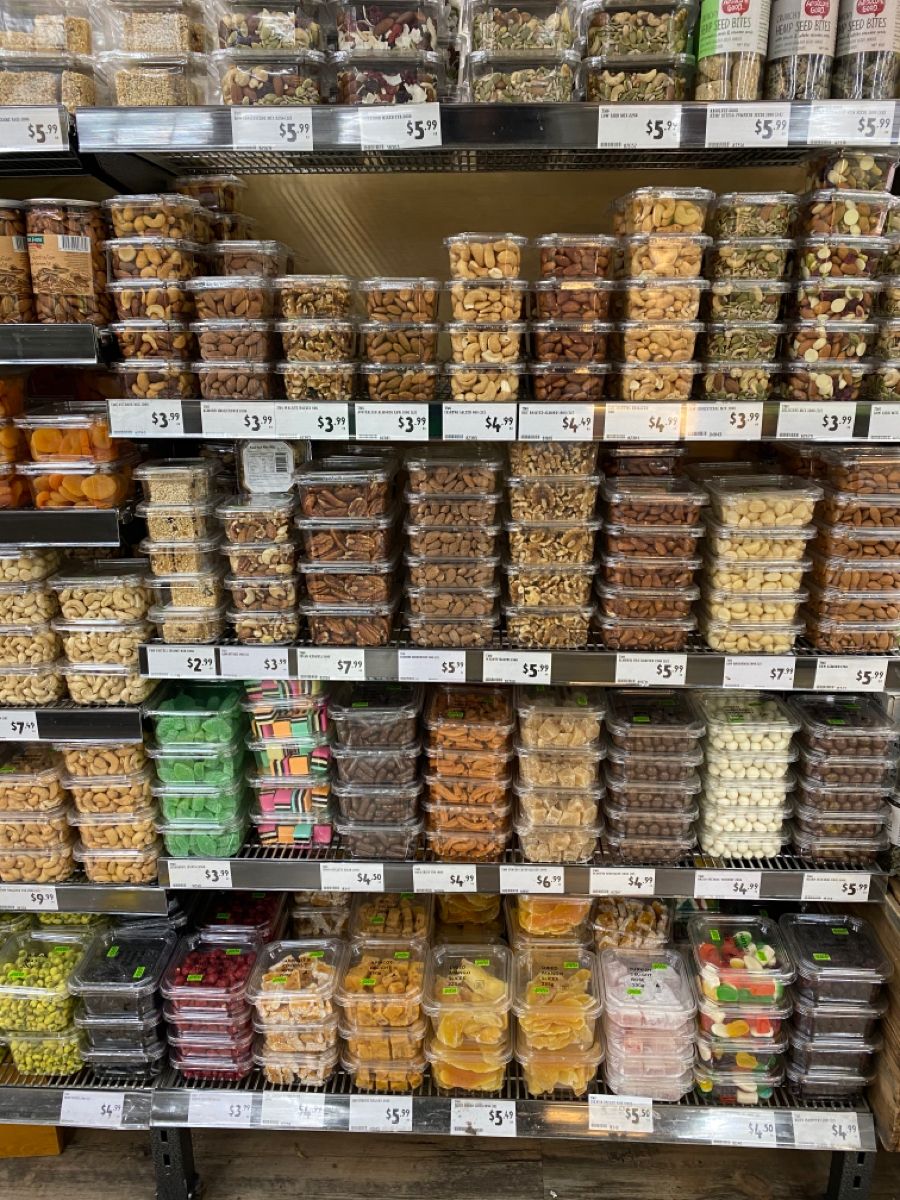
This is a powerful and liberating piece of advice. The closer a food is to its natural state, the less doubt it carries. An apple needs no certification. A leg of lamb from a devout and trusted butcher needs no ingredients’ list. A handful of almonds, a cup of lentils, a piece of fresh fish—these are the foods that are unequivocally halaaland, by the wisdom of Allah, are also the foods that are best for our bodies. They are “whole foods,” found in nature, which our bodies are perfectly designed to digest and utilise. By shifting our diet away from ultra-processed items—those laden with “dough conditioners, preservatives, flavour enhancers and artificial colours”—we not only safeguard our faith but also our physical health. - Do your own research, and if you are satisfied of the lawfulness of the product then use it.
This is the culmination of the advice. We cannot be passive consumers. We must become active, engaged believers. This means:
- Learning to read ingredient lists and identifying risky items like generic “flavours,” unspecified “emulsifiers,” and ingredients that could be animal-derived .
- Contacting manufacturers directly and asking specific questions: “Where does your monoglycerides come from? Is your rennet microbial or animal-derived? Do you use alcohol as a solvent in your vanilla extract?”
The goal of this research is to move the product from the category of mushtabih (doubtful) into one of the two clear categories. If your research satisfies you that it is halaal, you can use it with a clear conscience. If it confirms it is haraam, you avoid it. If the information remains murky and the doubt remains—if you cannot get a straight answer from the manufacturer—then the product remains in the grey zone, and the safest course is to leave it for the sake of Allah.
Conclusion: Protecting the Heart in a Confusing World
Rasulullah’s (Sallallahu alaihi wasallam) analogy of the shepherd grazing near a private pasture is stark and unforgettable. Indulging in doubtful matters is a slippery slope. It desensitises the heart. People who regularly consumes things with questionable sources slowly erode their spiritual sensitivity, making it easier for them to fall into the hole of haraam in this world and into the Fire of Jahannam in the Hereafter.
The modern food industry, with its profit-driven motives and opaque practices, has created vast pastures of doubt. The proliferation of unreliable “halal” logos and the constant flux of ingredients mean that we can now outsource our conscience to a corporation or a certifying body at the peril of our Imaan.
Let us take Rasulullah’s advice to heart. Let us strive for the clear, be wary of the doubtful, and return to the purity of whole, natural foods. Let us open our eyes, ask the difficult questions, and do our own research. In doing so, we protect not only our Deen (religion) and our honour, but that most vital piece of flesh: the heart, the seat of faith (Imaan) and the key to our salvation, we protect as well.
(Khairun Nisa)