
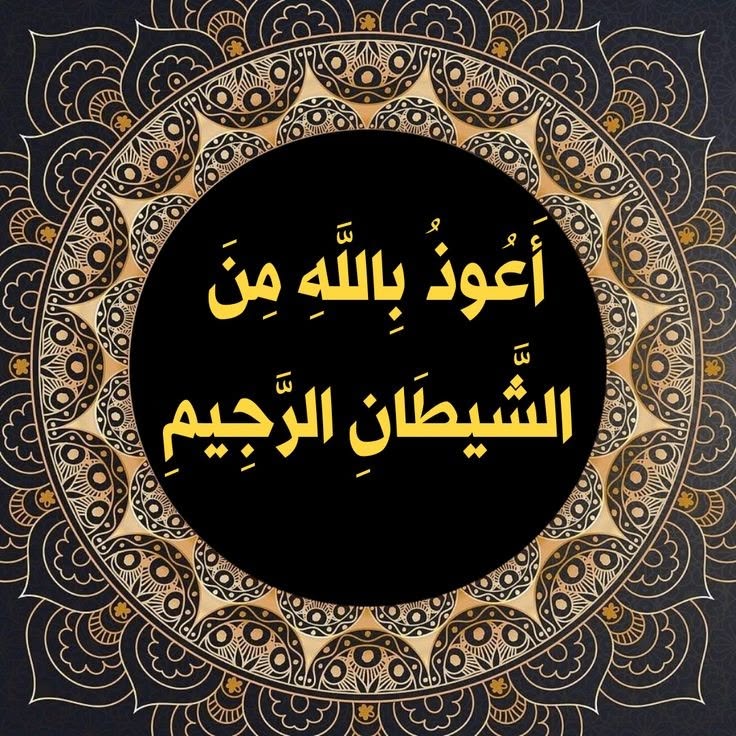
Perfection in Seeking Allah’s Refuge
ص ١/٧١
اِعْلَمْ أَنَّ الِاسْتِعَاذَةَ لَا تَتِمُّ إِلَّا بِعِلْمٍ وَحَالٍ وَعَمَلٍ.
أَمَّا الْعِلْمُ فَهُوَ كَوْنُ الْعَبْدِ عَالِمًا بِكَوْنِه عَاجِزًا عَنْ جَلْبِ الْمَنَافِعِ الدِّينِيَّةِ وَالدُّنْيَوِيَّةِ وَعَنْ دَفْعِ جَمِيعِ الْمَضَارِّ الدِّينِيَّةِ وَالدُّنْيَوِيَّةِ، وَأَنَّ اللهَ تَعَالٰى قَادِرٌ عَلٰى إِيجَادِ جَمِيعِ الْمَنَافِعِ الدِّينِيَّةِ وَالدُّنْيَوِيَّةِ وَعَلٰى دَفْعِ جَمِيعِ الْمَضَارِّ الدِّينِيَّةِ وَالدُّنْيَوِيَّةِ قُدْرَةً لَا يَقْدِرُ أَحَدٌ سِوَاهُ عَلٰى دَفْعِهَا عَنْهُ.
فَإِذَا حَصَلَ هٰذَا الْعِلْمُ فِي الْقَلْبِ تَوَلَّدَ عَنْ هٰذَا الْعِلْمِ حُصُولُ حَالَةٍ فِي الْقَلْبِ، وَهِيَ انْكِسَارٌ وَتَوَاضُعٌ وَيُعَبَّرُ عَنْ تِلْكَ الْحَالَةِ بِالتَّضَرُّعِ إِلَى اللهِ تَعَالٰى وَالْخُضُوعِ لَه.
ثُمَّ إِنَّ حُصُولَ تِلْكَ الْحَالَةِ فِي الْقَلْبِ يُوجِبُ حُصُولَ صِفَةٍ أُخْرٰى فِي الْقَلْبِ وَصِفَةٍ فِي اللِّسَانِ.
أَمَّا الصِّفَةُ الْحَاصِلَةُ فِي الْقَلْبِ فَهِيَ أَنْ يَّصِيرَ الْعَبْدُ مُرِيدًا لِأَنْ يَّصُونَه اللهُ تَعَالٰى عَنِ الْآفَاتِ وَيَخُصَّه بِإِفَاضَةِ الْخَيْرَاتِ وَالْحَسَنَاتِ.
وَأَمَّا الصِّفَةُ الَّتِي فِي اللِّسَانِ فَهِيَ أَنْ يَّصِيرَ الْعَبْدُ طَالِبًا لِهٰذَا الْمَعْنٰى بِلِسَانِه مِنَ اللهِ تَعَالٰى، وَذٰلِكَ الطَّلَبُ هُوَ الِاسْتِعَاذَةُ، وَهُوَ قَوْلُه: «أَعُوذُ بِاللهِ»
«Know that seeking refuge [with Allah] is only complete with knowledge, state, and action.
As for knowledge, it is that the servant knows he is incapable of attaining religious and worldly benefits and of repelling all religious and worldly harms, and that Allah Almighty is capable of bringing about all religious and worldly benefits and repelling all religious and worldly harms — a power which none besides Him has the ability to repel from him.
When this knowledge is firmly established in the heart, it gives rise to a state in the heart — which is humility, submissiveness, and it is expressed as beseeching Allah Almighty and lowering oneself before Him.
Then, the occurrence of this state in the heart necessitates the occurrence of another trait in the heart and a trait in the tongue.
The trait arising in the heart is that the servant becomes desirous that Allah Almighty protects him from calamities and favours him with an outpouring of goodness and blessings.
As for the trait in the tongue, it is that the servant becomes one who asks for this meaning with his tongue from Allah Almighty — and that asking is seeking refuge, which is his statement: “I seek refuge with Allah…” »
Commentary:
Imaam Ar-Raazi presents a profound psychological and spiritual anatomy of what it truly means to seek refuge in Allah (Al-Isti‘āthah). He breaks it down into three inseparable components:
- This is the recognition of two fundamental truths:
- Human impotence: The servant must be cognitively aware of his complete inability to secure any real benefit or repel any harm in both his religion and worldly life. This is not just a theoretical admission but a deep internal conviction.
- Divine omnipotence: Concurrently, he must know with certainty that only Allah possesses the absolute power to grant benefits and remove harms. This awareness negates any reliance on other means, powers, or intermediaries in an ultimate sense.
- This knowledge dismantles intellectual arrogance (kibr) and lays the groundwork for genuine dependence (tawakkul).
- When the above knowledge settles firmly in the heart, it naturally generates an internal spiritual condition.
- This condition is characterized by:
- Inkisār (breaking/contrition): A sense of being spiritually broken and devoid of self-sufficiency.
- Tawāḍuʿ (humility): Lowering oneself before the Majesty of Allah.
- Taḍarruʿ (beseeching helplessness): An emotional posture of pleading and neediness before Allah.
- This is the heart’s authentic response to the knowledge of its own need and Allah’s absolute sufficiency. Without this heartfelt state, the knowledge remains dry and theoretical.
- The internal state then manifests in two forms of action:
- In the Heart (Action of Desire): The heart develops a true yearning (irādah). It earnestly desires and hopes that Allah alone will be its Protector and Bestower of good. This is the internal act of turning to Allah.
- On the Tongue (Verbal Action): This internal yearning compels expression. The tongue verbalizes what the heart knows and feels by uttering the formula of seeking refuge: “Aʿūthu bi-llāh…” (I seek refuge with Allah).
- Crucially, the verbal utterance is the final, necessary articulation of the entire internal process. It is meaningless without the preceding knowledge and state, and the internal process is incomplete without its vocal affirmation and supplication.
Key Insights from Imaam Raazi’s Analysis:
- Holistic Spirituality: True worship (ʿIbādah), even in a simple act like saying “Aʿūthu bi-llāh,” is an integrated act of intellect, heart, and body. It connects creed (ʿAqīdah), spirituality (Tasawwuf), and practice (Fiqh).
- Progressive Spiritual Chain: He outlines a causal chain: Correct Knowledge → Transformative Heart State → Manifestation in Desire and Speech. This is a template for understanding many acts of worship.
- Depth of “Seeking Refuge”: He elevates Istiʿāthah from a mere ritual recitation to a comprehensive spiritual stance of total dependence, humility, and active petitioning of Allah. It is the essence of the servant-master relationship (ʿUbūdiyyah).
- Refutation of Empty Ritualism: By implication, he critiques those who utter words of devotion while their hearts are devoid of the corresponding knowledge and humility. For Imaam Raazi (Rahmatullahi alayh), such utterances are spiritually hollow.
In summary, Imaam Raazi (Rahmatullahi alayh) teaches that seeking Allah’s refuge is not just a phrase on the tongue, but a total orientation of the self—rooted in knowledge of Allah and one’s own nature, felt in the heart’s humility, and perfected by the tongue’s sincere petition.
(Munsha’ib)